
Collaboration between PT PLN Indonesia Power UBP Kamojang UP PLTP Ulubelu and the HSAMANGUN Institute for Research and Community Development as an Expression of the Company’s Commitment to Social and Environmental Responsibility
Dulu, setelah biji kopi dipisahkan dari kulitnya, petani di Desa Muara Dua, Lampung, masih punya satu urusan: ke mana sisa panen itu harus dibawa? Sebagian kulit kopi dibuang, sebagian lagi dibakar. Kini ada tujuan lain. Kelompok Tani Sekundang menyetorkan sebagian kulit kopi kepada Kelompok Tani Muara Tani. Di tangan para petani, sisa panen itu diolah menjadi pupuk organik. Kulit kopi pun menempuh perjalanan yang tak ditempuh bijinya. Ia pulang ke kebun.
In the past, once the coffee beans had been separated from their husks, farmers in the village of Muara Dua in Lampung still had one question to settle. Where should they take what was left of the harvest? Some of the husks were discarded, others burned. Today, there is another place for them to go. The Sekundang Farmers’ Group delivers some of its coffee husks to the Muara Tani Farmers’ Group. In the farmers’ hands, what remains of the harvest becomes organic fertiliser. The husks then take a path the beans do not. They return home to the fields
Perjalanan pulang itulah yang ditelusuri PLTP Ulubelu dan LPPM Hsamangun sepanjang 2026 lewat program Majukan Desa, Sinergi Kedaulatan Pangan, atau MUDA SEPADAN. Untuk memahami apa yang berubah, mereka mengikuti jejak bahan itu dari bank residu hingga kebun, memeriksa catatan kelompok, dan mendengarkan para petani yang menjalankannya. Dari sana terlihat bagaimana komitmen tanggung jawab sosial dan lingkungan (TJSL) perusahaan mengambil bentuk dalam pekerjaan sehari-hari dua kelompok tani.
Throughout 2026, PLTP Ulubelu and LPPM Hsamangun traced this journey home through the Majukan Desa, Sinergi Kedaulatan Pangan programme, known as MUDA SEPADAN. To understand what had changed, they followed the husks from the residue bank to the fields, examined the groups’ records and listened to the farmers who carried out the work. In doing so, they saw how the company’s commitment to social and environmental responsibility (TJSL) took shape in the day-to-day work of the two farmers’ groups.
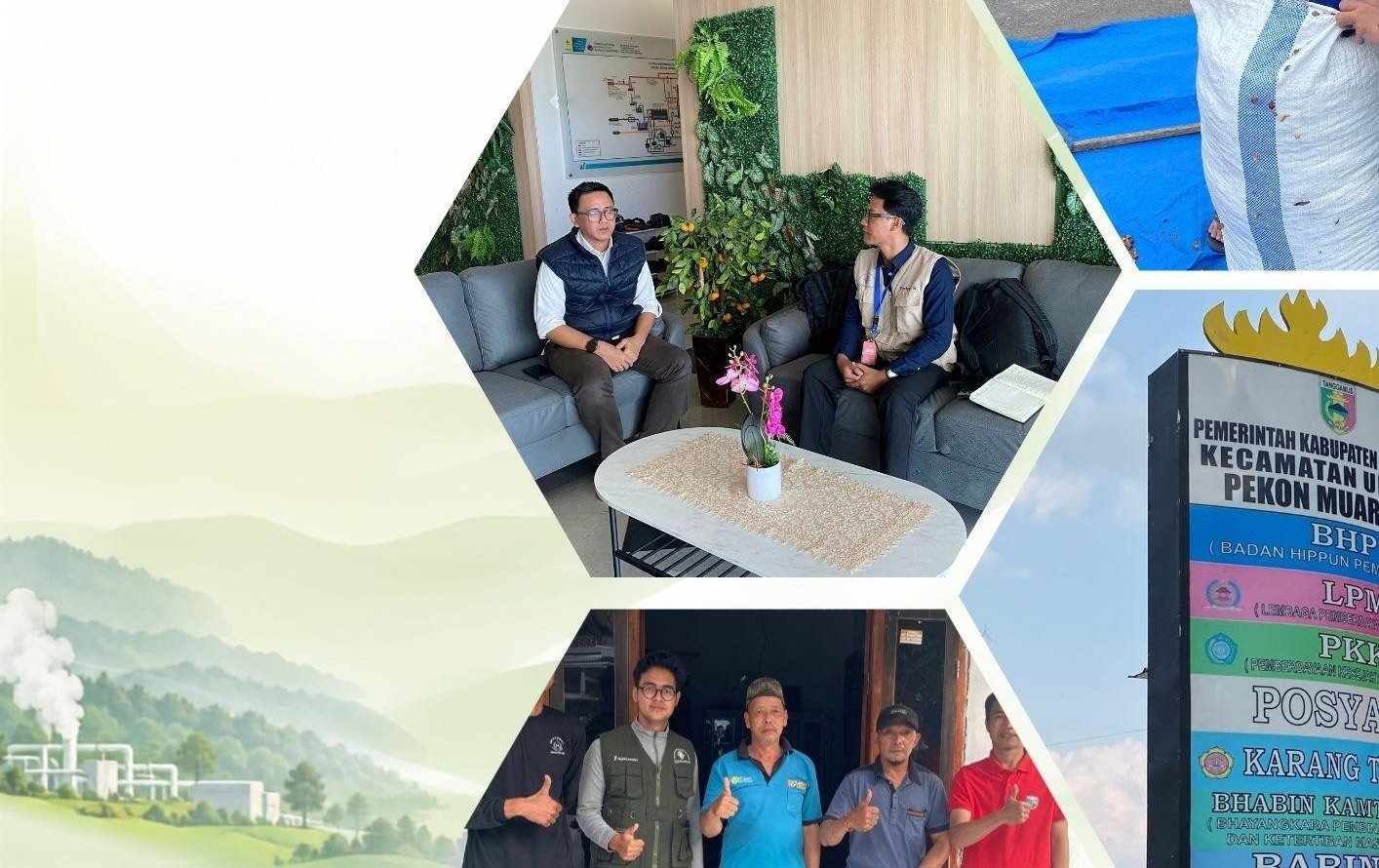
Menimbang kulit kopi yang kembali ke kebun
Weighing the coffee husks that return to the fields
Pada 2022, kulit kopi yang berhasil dikelola beratnya sekitar 3,8 ton. Empat tahun kemudian, jumlahnya mendekati sepuluh ton, lebih dari dua setengah kali lipat. Lingkaran orang yang terlibat juga membesar. Program yang mulanya memberi manfaat langsung kepada 22 orang kini menjangkau 46 anggota kedua kelompok tani. Artinya, semakin banyak orang berkepentingan dengan hal yang kelihatannya sederhana: apakah kulit kopi terkumpul, pupuk selesai diolah, dan hasilnya sampai ke kebun.
In 2022, the groups handled about 3.8 tonnes of coffee husks. Four years later, the figure was close to ten tonnes, more than two and a half times the original amount. The circle of people involved widened too. A programme that initially benefited 22 people directly now reaches 46 members across the two farmers’ groups. More people now have a stake in seemingly simple matters. Are the husks being collected? Is the fertiliser ready, and does it reach the fields?
Di kebun, manfaat lain mulai terlihat. Saat petani mengganti sebagian urea dengan pupuk hasil olahan kelompok, ada emisi yang dapat dihindari. Kajian program memperkirakan penurunan emisi pada 2026 mendekati sepuluh ton setara karbon dioksida per tahun. Sekitar tiga perempatnya berasal dari penggantian urea. Rupanya, bagian terbesar dari manfaat iklim itu muncul di ujung perjalanan kulit kopi, ketika petani memutuskan pupuk apa yang akan mereka gunakan.
In the fields, another benefit becomes apparent. When farmers replace some of their urea with fertiliser produced by the groups, they avoid some emissions. The programme study estimated that the annual reduction in 2026 was close to ten tonnes of carbon dioxide equivalent. About three quarters of that reduction came from replacing urea. The greatest climate benefit, it turns out, comes at the end of the husks’ journey, when farmers decide which fertiliser to use.
Apa yang dinilai petani
How the farmers assessed the programme
Bagaimana rasanya menjalankan program ini dari sisi petani? Pada Agustus 2026, tim survei menemui 32 penerima manfaat secara tatap muka. Penilaian mereka menghasilkan indeks kepuasan 88,64, dalam kategori Sangat Puas. Mereka memberi nilai tertinggi pada pelaksanaan program dan keadilan layanan. Jawaban yang lebih terperinci membawa percakapan ke urusan yang dekat dengan keseharian anggota: kapan kegiatan berikutnya berlangsung, siapa yang bisa membantu membuka pasar, dan bagaimana pemerintah pekon dapat lebih terlibat.
What is it like to run the programme from a farmer’s perspective? In August 2026, the survey team met 32 beneficiaries face to face. Their responses yielded a satisfaction index of 88.64, in the Very Satisfied category. They gave the highest marks to programme delivery and fairness in the provision of services. Their more detailed answers turned to matters familiar to group members. When would the next activity take place? Who could help them reach new markets?
Dari kebutuhan warga ke pilihan program
From residents’ needs to programme choice
Jika warga bisa menentukan prioritas berikutnya, dari mana mereka akan memulai? Dalam pemetaan sosial September 2026, sekitar sepertiga responden menyebut pertanian dan kopi sebagai kebutuhan utama. Pengelolaan lingkungan dan sampah menyusul. Bank residu mempertemukan kedua urusan itu dan menempati urutan pertama dari lima usulan pengembangan desa. Langkah berikutnya cukup konkret: menyepakati cara menimbang setoran, mencatat pupuk yang dihasilkan, dan membagikannya kembali.
If residents could set the next priority, where would they begin? In the September 2026 social mapping survey, about a third of respondents identified agriculture and coffee as their foremost need. Environmental and waste management came next. The residue bank brings these two concerns together and ranked first among five proposals for village development. The next step is a practical one. The groups need to agree on how to weigh each delivery, record how much fertiliser they produce and distribute it to farmers.
Empat gagasan lain memperlihatkan betapa beragamnya pekerjaan di sekitar satu kebun. Ada usulan tempat pengeringan kopi bersama yang memanfaatkan tenaga surya, dengan pemuda ikut memeriksa mutu hasil panen. Sisa panen juga berpeluang diolah menjadi pakan fermentasi. Di luar kebun, warga mengusulkan dukungan bagi produk olahan Kelompok Wanita Tani Mekarsari serta pemanfaatan pekarangan rumah untuk tanaman obat keluarga.
The other four ideas reveal the variety of work associated with a single farm. One proposal calls for a shared, solar-powered coffee-drying facility where young people would help check the quality of the harvest. Another possibility is to turn crop residues into fermented animal feed. Beyond the fields, residents proposed support for products made by the Mekarsari Women Farmers’ Group and the use of home gardens to grow medicinal plants for the family.
Ketika penghidupan ikut terancam
When livelihoods are also at risk
Kebun juga menghubungkan cerita tentang penghasilan dengan cerita tentang bencana. Dalam kajian cepat di sekitar PLTP Ulubelu, gempa bumi dan longsor menjadi ancaman yang paling menonjol menurut warga dan unsur pemerintah yang dimintai keterangan. Dari 30 orang itu muncul satu perbedaan penting. Tempat untuk mengungsi dinilai relatif tersedia, tetapi jalur untuk mencapainya mendapat nilai terendah. Temuan inilah yang mendasari usulan untuk menelusuri rute bersama warga, lalu memeriksakan kelayakannya secara teknis.
The fields also link the story of how people earn a living to that of the disasters they face. In a rapid assessment around PLTP Ulubelu, residents and government representatives identified earthquakes and landslides as the most prominent threats. The answers of the 30 people consulted revealed an important distinction. They considered evacuation sites reasonably available, yet gave the routes leading to them the lowest score. That finding prompted a proposal to walk the routes with residents and then have their suitability assessed by technical specialists.
Bagi keluarga yang hidup dari kebun atau warung, ada pertanyaan lain setelah mereka tiba di tempat aman: dengan apa mereka bisa mulai bekerja lagi? Kesiapan memulihkan usaha juga mendapat nilai terendah dalam kajian tersebut. Tim mengusulkan agar kebutuhan alat, bahan, dan akses pasar dipetakan menurut mata pencaharian. Kebutuhan seorang petani untuk kembali ke kebunnya bisa berbeda dari kebutuhan pedagang untuk membuka warungnya.
For families who make a living from a farm or a small shop, another question arises once they reach safety. What will they need to get back to work? Readiness to resume business also received the lowest score in the assessment. The team proposed identifying the tools, materials and market access people would need according to their livelihood. What a farmer needs to return to the fields may differ from what a shopkeeper needs to reopen.
DISEMINASI / PUBLIKASI 2026
Pengalaman dua kelompok tani menjadi bacaan publik
The experience of two farmers’ groups reaches a wider readership
Pada September 2026, pengalaman Muara Dua mendapat pembaca baru. Riyan Arizona, Adiksa Insan Muttaqin, Ahmad Ghozali, dan Nice Nurhayati menulis perjalanan kulit kopi itu untuk SURPLUS: Jurnal Ekonomi dan Bisnis. Pembaca yang ingin mengetahui bagaimana volume residu dihitung dan bagaimana perubahan praktik petani ditelusuri dapat mengikuti cara kerja mereka melalui artikel tersebut.
In September 2026, Muara Dua’s experience found a new readership. Riyan Arizona, Adiksa Insan Muttaqin, Ahmad Ghozali and Nice Nurhayati wrote about the journey of the coffee husks for SURPLUS: Jurnal Ekonomi dan Bisnis. Readers interested in how the authors calculated the quantity of husks and traced changes in farming practices can follow their methods in the article.
Pada bulan yang sama, CV EYER PUBLISHING INDONESIA menerbitkan buku YANG TERSISA SETELAH PANEN: (Perjalanan Kulit Kopi dari Hasil Samping Menjadi Sumber Daya bagi Tanah dan Kehidupan Pertanian) dengan ISBN 978-634-05-7615-3. Keempat penulis itu bersama Farhan Sumali dan Rasyiq Zahi Nugraha membawa pembaca lebih dekat kepada pembagian kerja di balik angka-angka tadi. Bagi kelompok tani yang ingin mencoba cara serupa, kisah Sekundang dan Muara Tani menawarkan titik berangkat yang praktis. Sebelum menghitung berapa banyak pupuk yang dapat dihasilkan, ada baiknya mengetahui siapa yang punya kulit kopi, siapa yang bersedia mengolahnya, dan kebun siapa yang akan menggunakannya.
That same month, CV EYER PUBLISHING INDONESIA published YANG TERSISA SETELAH PANEN: (Perjalanan Kulit Kopi dari Hasil Samping Menjadi Sumber Daya bagi Tanah dan Kehidupan Pertanian), ISBN 978-634-05-7615-3. The four authors, together with Farhan Sumali and Rasyiq Zahi Nugraha, give readers a closer look at the division of labour behind those figures. For farmers’ groups interested in trying a similar approach, the experience of Sekundang and Muara Tani offers a practical starting point. Before estimating how much fertiliser they could produce, it is worth finding out who has the husks, who is willing to process them and whose fields will receive the fertiliser.
Di Muara Dua sendiri, cerita ini masih punya bab berikutnya. Kedua kelompok sudah dapat menunjukkan berapa banyak kulit kopi yang mereka kelola. Tantangan yang tersisa ialah menjaga mutu pupuk dan mencatat berapa banyak urea yang sungguh-sungguh tergantikan dari musim ke musim. Kelak, ketika panen berikutnya menyisakan kulit kopi lagi, jawaban atas pertanyaan itu bisa dicari di tempat perjalanan ini bermula: dalam catatan petani dan di kebun mereka sendiri.
n Muara Dua itself, the story has another chapter. Both groups can already show how many coffee husks they handle. The challenge that remains is to maintain the quality of the fertiliser and record how much urea it actually replaces from season to season. When the next harvest leaves another supply of husks, the answers can be sought where the journey began, in the farmers’ records and in their own fields.
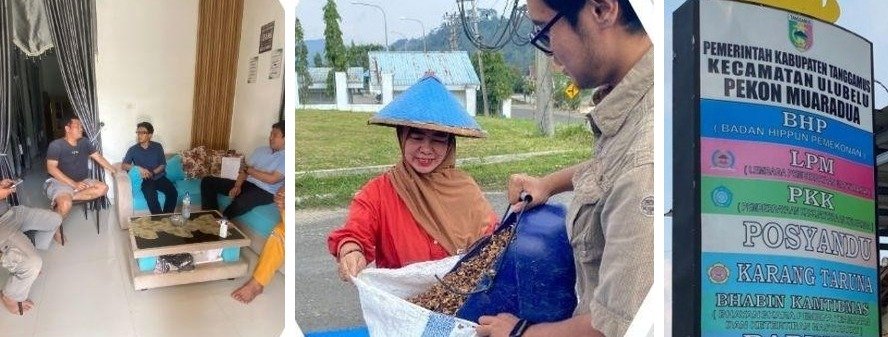
RUJUKAN REDAKSI
Laporan Kegiatan Kolaborasi LPPM Hsamangun dengan PT PLN Indonesia Power UBP Kamojang UP PLTP Ulubelu (2026), Bab IV, khususnya hasil pemetaan sosial, verifikasi DRKPL, IKM, publikasi, dan REA. Artikel ilmiah terkait terbit dalam SURPLUS, 5(1), 1869–1881. DOI 10.71456/sur.v5i1.2650.
Report on the Collaborative Activities of LPPM Hsamangun and PT PLN Indonesia Power UBP Kamojang UP PLTP Ulubelu (2026), Chapter IV, particularly the findings on social mapping, DRKPL verification, the Community Satisfaction Index (IKM), publications and the rapid environmental assessment (REA). The related research article appeared in SURPLUS, 5(1), 1869–1881. DOI 10.71456/sur.v5i1.2650.